
Aloe Vera
Aloe Vera is native to Africa and has over 500 different species. It is known as a common household plant that has amazing burn healing properties, but did you know just how many other healing properties this common house plant has?

Aloe barbadensis
Family: Liliaceae - lily, tulip, garlic, onion
Parts used: gel from inside the leaves
Alterative
Adaptogenic
Anti-inflammatory
Anti-bacterial (fresh plant only)
Anti-fungal
Antiviral
Bitter
Demulcent
Emollient
Vulnerary
Energetics/Body Systems Affected
Cooling
Liver
Kidney
Intestines
Skin
Personal and Beauty Care
Skin healer and rejuvenator.
Moisturizes, tones and firms the skin.
Great for acne due to the anti-inflammatory and skin healing properties – use both internally and externally.
Natural sunscreen, blocking 20-30% of UV rays.

Uses
Soothes and heals all types of burns including sun burn, kitchen burns, first, second and even third-degree burns.
Blisters, rashes, eczema, boils, rough skin, and skin eruptions (as long as no staph infection is present).
Herpes (cold sores), apply several times a day, pain relieving and helps to dry up the blister.
Mild pain reliever.
Cuts, scrapes, wounds, and abrasions.
Fresh gel can be used as a natural band aid, just make sure the wound is clean before applying.
Nursing mothers can use for sore, cracked, dry, nipples.
Canker sores and mouth problems, mix gel with an herbal tincture or essential oil and swish around the mouth. Can also apply directly to the sore or gums.
Hives
Insect bites and stings.
Poison ivy, oak, and sumac.
Heartburn
Hemorrhoids
Constipation
Inflamed intestinal wall.
Arthritis and bursitis – taken internally and/or externally as a liniment.
Perineal Tears – Place gel on a menstrual pad and hold in place, this will relieve the pain as well as heal the tear quickly. Apply a new poultice when the pain returns.
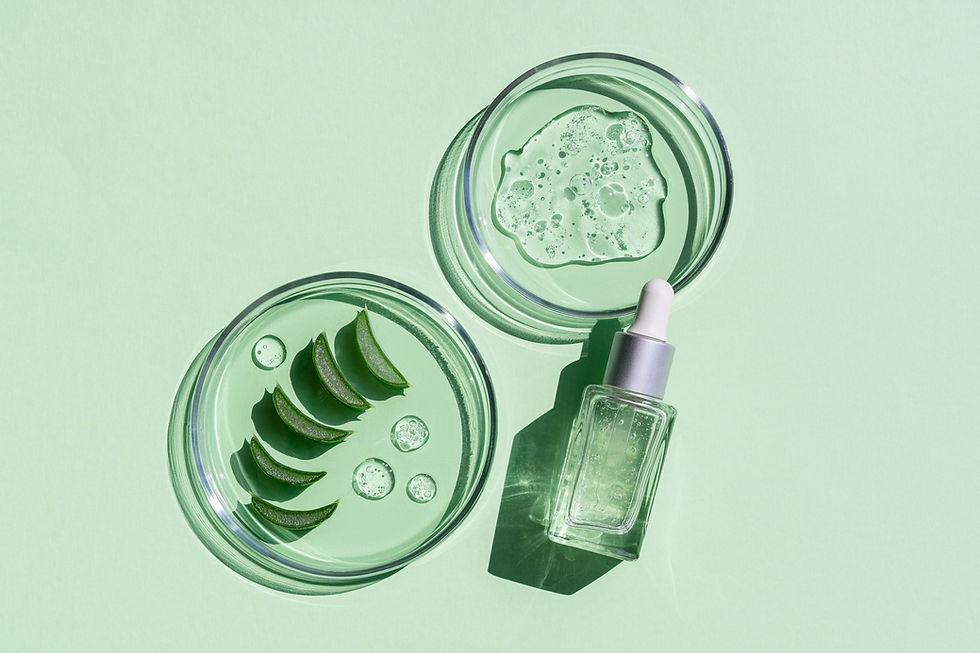
Aloe vera comes in many forms, from the gel inside the plant leaves, to commercial gel and even freeze-dried powder. When choosing an aloe vera gel, look very closely at ingredients, you want pure aloe vera. Many brands use artificial colors and preservatives so be aware of what you are purchasing.
If you have an aloe vera plant, you can cut a leaf off when needed. Only use the clear gel from the leaf, not the leaf itself or the brown gel near the leaf. Apply the gel to area of concern or take internally.
Aloe vera juice: Cut one aloe leaf of the plant and set upside down in a jar of water for 15 minutes to drain the latex. Cut all the green leaf off so only the clear gel is left. Place in a blender with 1-2 cups of water and blend to desire consistency.
Aloe vera liquid can be infused with other herbs, fill a jar ½ full of herbs, cover with aloe vera liquid by 1-2”. Let sit for 2 weeks, shaking daily, strain and you now have a power packed aloe vera liquid. Use this for a toner or liniment on the skin or an herbal beverage.
Place in a sunny south-facing window, although it is not fussy.
Water moderately and keep the soil well drained.
Cut one leaf off at a time for use. A cut leaf can be stored in the refrigerator for several weeks. Slice open and scoop out the clear liquid gel with a spoon. Use as is or blend for a smoother gel.
The plant will produce offshoots which you can remove and replant when they are a few inches tall.
Cautions
Don’t use on staph related infections as the aloe can seal in the bacteria, causing more problems.
Be careful to not get the leaf part of the plant mixed in your gel if using internally. The leaf has very powerful laxative properties.
Do not take internally if pregnant or nursing.
Herbal Antibiotics by Stephen Buhner
Medicinal Herbs A Beginner's Guide by Rosemary Gladstar


