
Birch
Birch is known as “The Giving Tree”, there are several species of medicinal birch the most common species are B. pendula, B. pubescens, B. lenta. Birch can be easily wild-crafted but can also be cultivated as part of a home landscape.

Betula, sp.
Family: Betulaceae - birch
Parts used: sap, leaves, inner bark, buds
Analgesic
Antibacterial
Anti-inflammatory
Antiseptic
Anti-sporadic
Antiviral
Anti-cancer
Aromatic
Astringent
Cleansing tonic (sap)
Discutient
Diuretic
Febrifuge
Stimulant
Energetics/Body Systems Affected
Cooling
Bitter
Urinary tract
Joints
Skin
Uses
Cleanse and support urinary system
Dissolves kidney and bladder stones and gravel
Tonic and detoxifier
Treats diarrhea and dysentery
Reduces fluid retention and swellings
Cystitis
Clears up many skin problems such as eczema and psoriasis (in addition to a clean diet).
Cardiac or renal edema and dropsy
Pain reliever that is helpful for conditions such as fibromyalgia, arthritis, gout, and rheumatic conditions.
Prevention and treatment of melanoma cancers (due to the betulinic acid)
Reduces fevers
Cramps
Wounds, boils, and sores
Sprains, strained muscles, and sport injuries
Headaches
Canker and mouth sores
Sap: drink fresh or gently simmer for a syrup
Compress: apply directly to skin conditions such as eczema, rashes, herpes, etc.
Herbal Oil: massage over areas of pain in the body such as sore muscles, joints, areas of pain from fibromyalgia, etc. Can also be used over skin conditions.
Salve: use like the herbal oil above, slowly releasing properties over a longer period.
Leaf Tea: use dried or fresh leaves (light green early summer at latest). 4-5 leaves per cup of boiling water, steep for 5-10 minutes. I cup 3-4 times a day.
Tincture
Powdered: take in capsules or add water to make a paste for external use. Both root and leaves can be used.
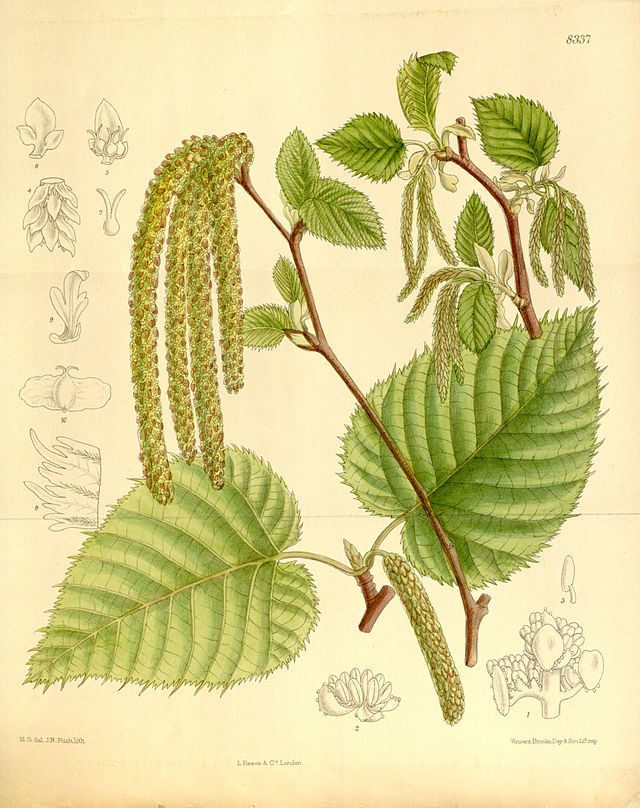
There are several medicinal species of birch. Found in moist, rich soils in forests, by streams and lake edges as well as mountain slopes. Bark can range from white to brown and peels in some species. Leaves are oval and serrated.
Harvest leaves in the spring or early summer when they are still light green. They can be dried for future use or used immediately to make a tea or herbal oil.
Harvest sap by drilling a hole through the bark in early spring before leaves appear. Insert a straw or similar tube and put the other end in a collectible container (can be taped to the trunk). After a week remove the straw and plug with a fitted twig, so the sap stops leaking.
Inner bark can be collected while the tree is dormant. Take from the twigs and branches and never around the circumference of a tree.


